








Maharashtra Civic Elections 2026: BJP-Led Mahayuti Dominates BMC and Urban Bodies
Maharashtra civic polls 2026 deliver a major victory for the BJP-led Mahayuti, with sweeping wins in BMC, Pune, and key urban bodies, reshaping the state’s political landscape.

NEW DELHI:
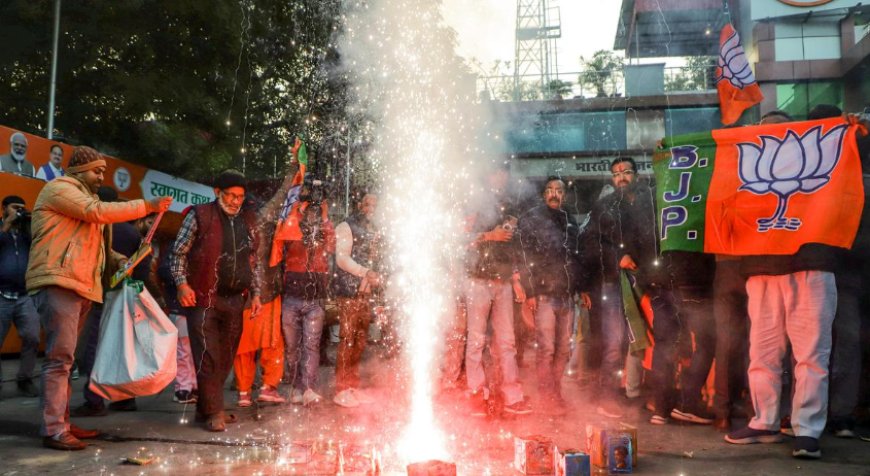
The Maharashtra civic elections 2026, including the closely watched Brihanmumbai Municipal Corporation (BMC) polls, have delivered a decisive mandate in favour of the BJP-led Mahayuti alliance. Results from 27 civic bodies and 2,869 wards show the alliance firmly in the lead, tightening its grip over Maharashtra’s key urban centres.
While a few smaller parties managed selective breakthroughs, long-dominant regional outfits struggled to counter the Mahayuti’s development-focused campaign narrative.
Five Key Takeaways from Maharashtra Civic Polls 2026
1. Devendra Fadnavis and the ‘Triple-Engine’ Momentum
The most defining feature of the civic polls has been the BJP’s commanding performance under the leadership of Devendra Fadnavis. In the BMC—India’s wealthiest municipal body—the BJP is projected to win close to 90 seats, improving upon its 82-seat tally from 2017.
With support from alliance partners, the Mahayuti comfortably crosses the majority mark of 114 seats and is expected to touch 140 or more wards in Mumbai. The alliance also emerged on top in other major corporations:
-
Pune Municipal Corporation: 52 of 162 seats
-
Nagpur Municipal Corporation: 85 of 151 seats
-
Navi Mumbai Municipal Corporation: 42 of 67 seats
-
Thane Municipal Corporation: 38 of 131 seats
Political analysts attribute this success to the BJP’s “triple-engine” pitch—alignment between the Centre, state, and local bodies—championed by Prime Minister Narendra Modi.
A fragmented Opposition further eased the BJP’s path. Multi-cornered contests and “friendly fights” diluted anti-Mahayuti votes, particularly in Marathi-dominated areas. The rivalry between the Uddhav Thackeray-led Shiv Sena (UBT) and the Eknath Shinde faction resulted in direct contests across over 80 wards, splitting the traditional Sena vote.
The Congress’s decision to contest independently, along with the presence of VBA and Samajwadi Party candidates, further fractured the Opposition space, preventing the consolidation of anti-BJP sentiment.
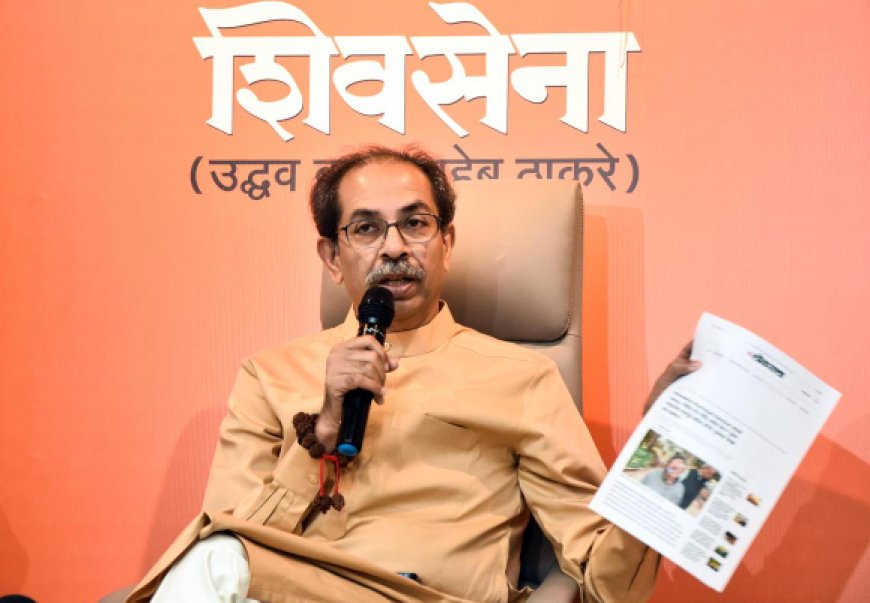
2. Thackeray Legacy Faces Its Biggest Test
The results mark a historic shift in Mumbai’s civic power structure. For decades, the undivided Shiv Sena controlled the 227-member BMC, making it the backbone of the party’s organisational strength.
This election, however, saw the BJP emerge as the single largest force, aided by the Shinde-led Sena faction. For Shiv Sena (UBT), it is the weakest performance in over two decades, highlighting a steady erosion of its urban base.
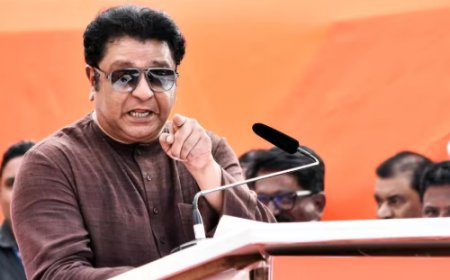
Although the Thackeray surname retained some emotional appeal, it failed to translate into electoral dominance. The Maharashtra Navnirman Sena (MNS), despite aligning with Sena (UBT), could not convert its rhetoric into meaningful gains, raising questions over Raj Thackeray’s political future.
3. Pawar Reunion Strategy Falls Flat
Ajit Pawar’s attempt to revive the NCP’s urban influence through a late alliance with Sharad Pawar’s faction did not yield results. The BJP swept Pune and Pimpri-Chinchwad, dealing a major blow to the Pawar camp.
Despite running an aggressive campaign against BJP leaders and promising civic sops like free Metro travel and tax relief, Ajit Pawar failed to dent the BJP’s dominance. The absence of Sharad Pawar and Supriya Sule from active campaigning weakened the reunion narrative.
Live trends showed the BJP securing over 110 seats in Pune and a decisive majority in Pimpri-Chinchwad, significantly reducing Ajit Pawar’s leverage within the Mahayuti.
4. AIMIM’s Strategic Urban Gains
The All India Majlis-e-Ittehadul Muslimeen (AIMIM) emerged as a surprise performer, winning or leading in more than 90 seats across urban pockets. While still a smaller player overall, AIMIM outperformed several established regional parties.
In closely contested wards, AIMIM’s presence split Opposition votes, indirectly benefiting Mahayuti candidates and altering local electoral equations.
5. Congress Finds Limited Encouragement
For the Congress, the civic elections were largely underwhelming, but not without silver linings. Contesting alone after the Thackeray cousins joined hands, the party finished fourth in the BMC with 23 seats.
Statewide, Congress secured over 300 seats, placing it third overall and performing better than its Maha Vikas Aghadi allies—Shiv Sena (UBT) and NCP (SP). While insufficient for a revival, the results may offer the party some momentum ahead of the upcoming state elections.
Mumbai Verdict: A Turning Point
As results crystallised on January 16, 2026, it became clear that Uddhav Thackeray had lost control of the BMC for the first time in over 25 years. Shiv Sena (UBT) dropped from 84 seats in 2017 to 64 this time, while the Shinde-led Sena secured 27 seats.
Despite this, trends indicated consolidation of the Marathi vote behind the Thackerays in core areas, outperforming the Shinde faction. BJP leaders acknowledged this shift but noted that non-Marathi voters and a section of Marathi voters continued to back the BJP, ensuring its victory.
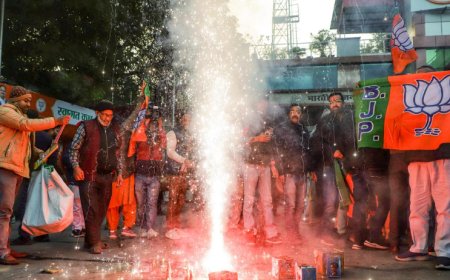
BJP leaders hailed the outcome as a mandate for development-driven governance, rejecting what they described as divisive and outdated political narratives.
With its best-ever performance in Mumbai, the BJP now sets its sights on expanding its dominance further ahead of the 2029 elections.
What's Your Reaction?
 Like
0
Like
0
 Dislike
0
Dislike
0
 Love
0
Love
0
 Funny
0
Funny
0
 Angry
0
Angry
0
 Sad
0
Sad
0
 Wow
0
Wow
0