








Congress Slams Modi Over Silence as Trump Repeats Claims on India’s Russian Oil Deal

What’s happening
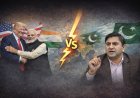
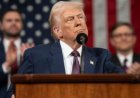
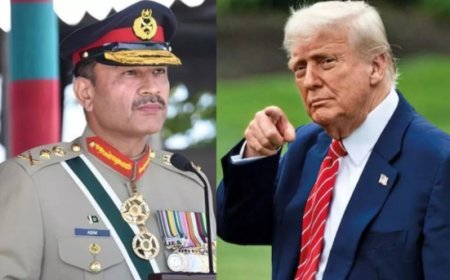
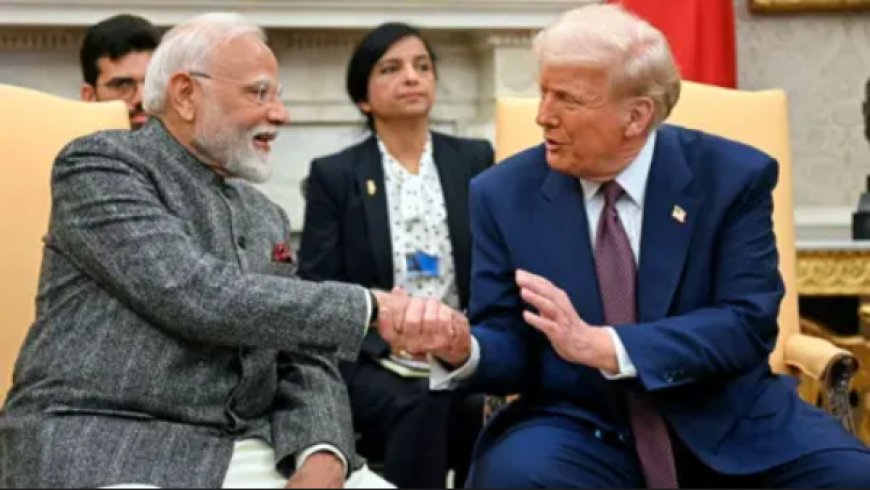
In mid‑October 2025, President Donald Trump publicly asserted that Indian Prime Minister Narendra Modi had assured him India will stop purchasing oil from Russia. He made this claim during a press briefing in Washington, stating that India’s purchases of Russian crude contributed to financing Vladimir Putin’s war in Ukraine and that New Delhi had committed to a withdrawal of such imports.Shortly thereafter, India’s Ministry of External Affairs (MEA) said it was unaware of any such conversation between Modi and Trump.
The Congress party swiftly reacted, criticizing the Modi government’s silence and what they describe as a lack of clarity in India’s foreign‑policy handling. The opposition’s core slogan: “While Modi conceals, Trump reveals.”
Key claims & counterclaims
-
Trump said that Modi had told him India would “not be buying much oil from Russia. They’ve cut it way back.”
-
India’s MEA contradicted this by stating it was “not aware of any such phone conversation”.
-
The Congress flagged that Trump has repeated India‑oil‑Russia‑claims multiple times within days — underscoring the impression that India’s policy is being publicly shaped or disclosed by another country.
Why this matters
For India’s energy diplomacy
India is one of the world’s largest importers of oil and, in recent years, has sourced significant volumes from Russia at discounted rates. Pressure from the U.S. to reduce these imports touches upon India’s strategic autonomy, energy security and global alignment.
Trump’s assertion of a commitment from India raises questions about whether New Delhi’s foreign‑policy posture is shifting under external pressure.
For U.S.–India relations
The incident comes against the backdrop of trade tensions (including U.S. tariffs on Indian exports) and geopolitical disagreements. If India is seen to acquiesce to U.S. demands, it may affect New Delhi’s standing with other partners (Russia, China) as well as its non‑aligned or independent foreign‑policy identity.
For domestic Indian politics
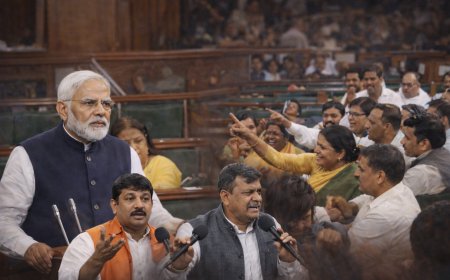
The Congress is using the episode to argue that the Modi government lacks transparency and that key decisions are being externally dictated rather than debated publicly. It puts the government on the defensive—both in terms of foreign policy and parliamentary accountability.
For global geopolitics
If India were to dramatically reduce Russian oil imports, that would tighten Russia’s energy revenue streams and potentially shift global oil flows. It may also signal to other major importers (notably China) that U.S. pressure and diplomacy can influence energy trade patterns.
Analysis: What’s real & what’s ambiguous
-
Real: Trump made public statements claiming a promise by Modi and India’s intention to cut Russian oil imports.
-
Ambiguous: Whether that promise was ever formally made, the scope of any commitment, the timeline for implementation, and the official verification from India. The MEA’s response suggests no such call or agreement is confirmed.
-
Political spin: Trump gains diplomatic/shaming leverage over Russia and uses India as part of that narrative. Meanwhile, Indian opposition uses this to claim lack of domestic agency.
-
Practical constraints: Even if India wanted to phase down Russian oil quickly, logistics, long‑term contracts, refinery set‑ups and global price dynamics pose major hurdles.
What to watch going forward
-
Official disclosure: Will the Modi government provide clarity—via a statement or in Parliament—on its policy toward Russian oil and whether any formal commitment was made to the U.S.?
-
Energy import data: Monitoring India’s import figures over coming months will be key to whether any tangible reduction in Russian crude is underway.
-
Trade diplomacy: Will the U.S. ease tariffs or take other actions if India’s oil purchases visibly decline, or will it apply further pressure (tariffs, export controls)?
-
Russia’s response: How Moscow reacts if one of its major buyers begins pulling back may influence future price/contract negotiations.
-
Opposition momentum: Whether Congress builds sustained pressure on the Modi government for transparency on this matter and uses it as a focal issue ahead of future elections.
Final thought
This episode illustrates a convergence of diplomacy, energy economics and domestic politics. On the one hand, Trump’s claim projects a narrative of India moving in line with U.S. strategic aims vis‑à‑vis Russia. On the other hand, India’s own government appears to have chosen silence, leading to a credibility gap in public perception. The opposition’s message—“while Modi conceals, Trump reveals”—captures the core of the domestic critique.
Ultimately, whether this shapes a shift in India’s oil sourcing—and how transparent that shift is—will be critical to both India’s foreign‑policy image and its diplomatic balance.
What's Your Reaction?
 Like
0
Like
0
 Dislike
0
Dislike
0
 Love
0
Love
0
 Funny
0
Funny
0
 Angry
0
Angry
0
 Sad
0
Sad
0
 Wow
0
Wow
0